American Dream
Requiem for a DreamThe American Dream is the novel’s governing illusion: a promise of fulfillment through getting that, in Hubert Selby Jr.’s account, diverts people from the inward vision through which they might give and live truthfully. Its pursuit does not merely disappoint the four people at the center of the book; it leads them toward the loss of everything they value.
Getting and Giving
In the preface to the new edition, Selby calls the pursuit of the American Dream futile and self-destructive. Its failure is built into its priorities: it nurtures acquisition while neglecting integrity, ethics, truth, and what he calls the heart and soul. The alternative is not a rejection of money or material comfort, nor a romantic celebration of poverty. Rather, Selby objects to treating the accumulation of things as life’s purpose. His concise counterclaim is that “Life/life is giving, not getting.”
The preface distinguishes material ambition from a person’s own vision: an individual way of giving that may be feared, denied, or never recognized. Selby presents the denial of that vision as a loss of truth and self, while the effort to acquire more becomes an attempt to quiet the unease created by that abandonment. In this account, the Dream is damaging not simply because its promised rewards can fail to arrive, but because the pursuit itself can displace the values that would make a life meaningful.
The Dream in the Novel
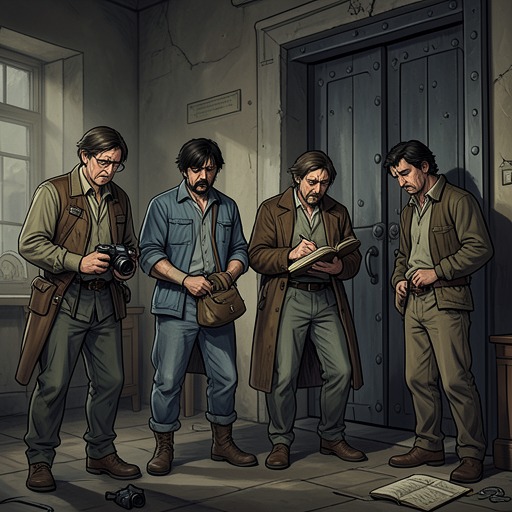
Selby describes the book as the story of four individuals who pursue the American Dream without knowing the difference between the vision in their hearts and the Dream’s illusion. Their mistaken pursuit makes it impossible for them to experience that inward vision; the stated consequence is that “everything of value was lost.” The Dream thus links their separate trajectories through a shared confusion between external acquisition and inner fulfillment.
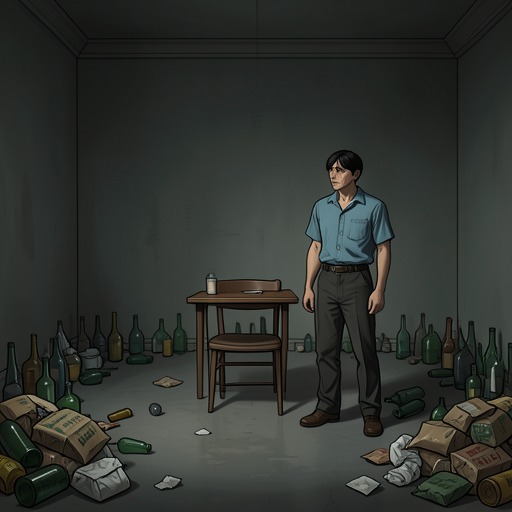
This distinction also shapes the novel’s moral argument. The characters’ losses are not presented in the preface as incidental misfortune detached from their desires: they are the result of pursuing an illusion in place of the truth their visions might have offered. The Dream’s apparent promise of a fuller life reverses into depletion, giving the book’s central idea its force as both a critique of acquisition and an account of what is sacrificed when getting takes precedence over giving.
An Unmourned Requiem
Selby doubts that there will ever be a requiem for the Dream. In his bleak formulation, it may destroy people before they have the chance to mourn its passing. The title’s language of mourning therefore carries an irony: the object of grief may consume those who would recognize what has been lost. His closing allusion, “Isn’t it pretty to think so?”, leaves open the possibility that time could prove him wrong without softening the warning.
A film-related reflection extends the argument through an image of darkness in which a search for humanity continues. It locates a small, precious remnant of love within a world of evil and connects the characters’ ruin to choosing to live the Dream instead of choosing to live life. The reflection does not turn that remnant into a rescue from the losses; rather, it makes the contrast sharper. The Dream promises fulfillment through pursuit, while the book’s framing insists that what matters most is precisely what such pursuit can erase.